Lithium vs Graphene Batteries: Which is better for Sri Lanka's climate?
Navigating Battery Technology in Sri Lanka
If you are looking to buy an electric vehicle, you will quickly encounter the terms Lithium-ion (Li-ion) and Graphene. But what do they mean, and which is better suited for the hot and humid climate of Sri Lanka?
Lithium-ion Batteries
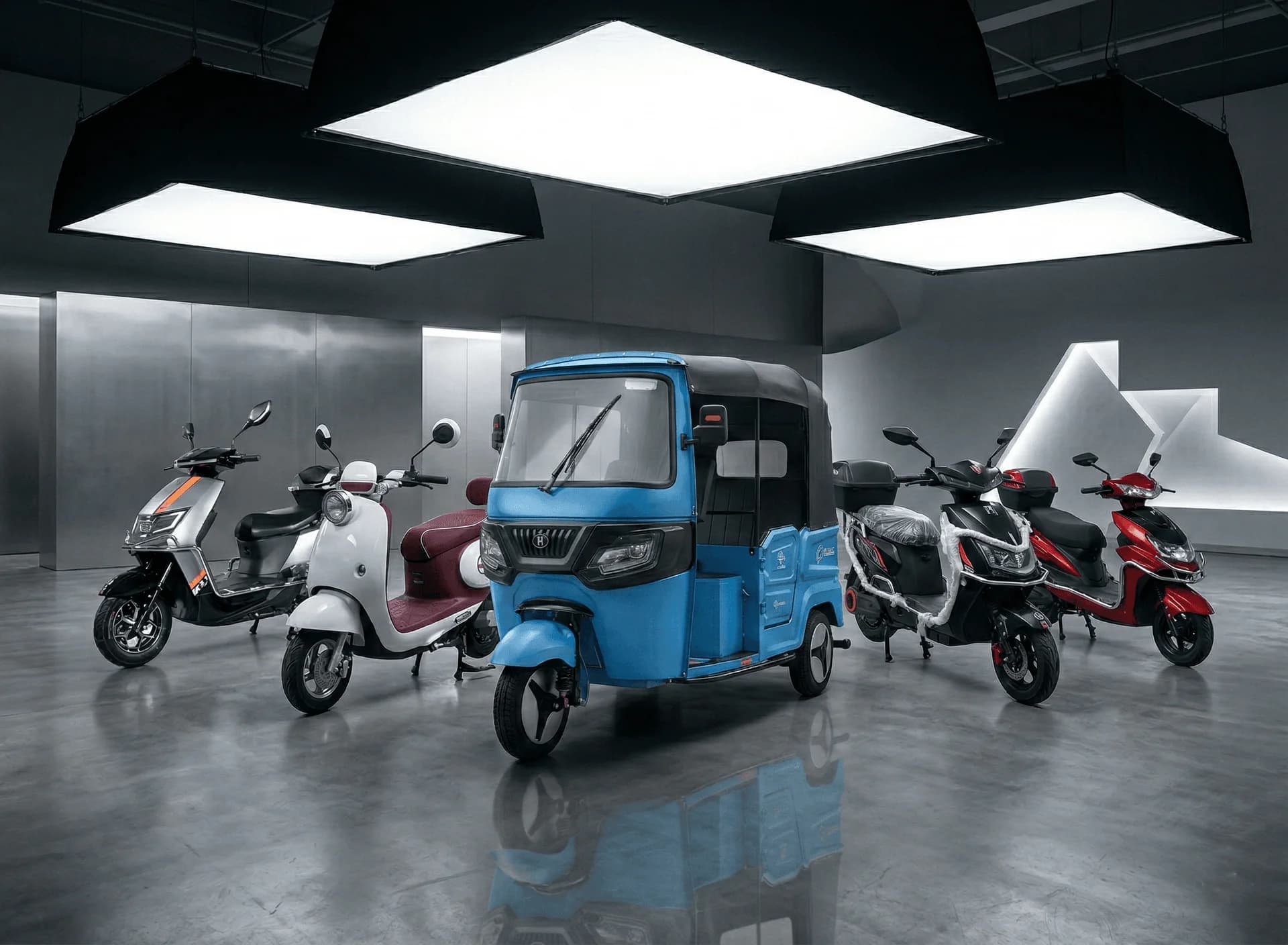
Lithium-ion batteries are the industry standard for modern EVs. They are lightweight, have a very high energy density, and can survive thousands of charge cycles without suffering from the "memory effect." In vehicles like the HERMI HM-01, HM-04, and the TRI-01, Lithium provides the intense peak power required for high top speeds and heavy payloads. However, they are sensitive to extreme heat.
Graphene Batteries
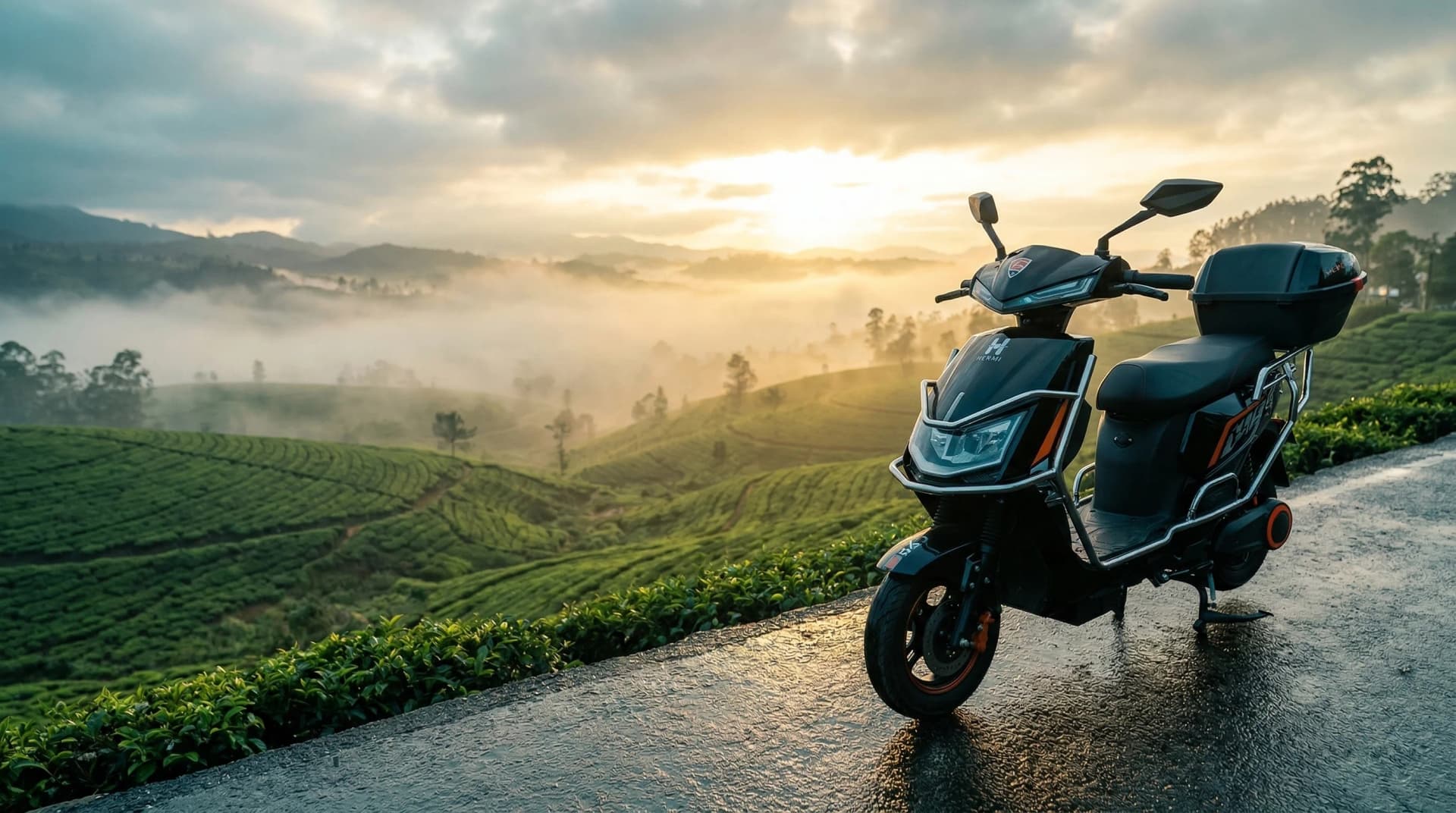
Graphene batteries are a newer marvel. Graphene is a single layer of carbon atoms arranged in a hexagonal lattice. When added to battery chemistry, it drastically improves thermal regulation (heat dissipation) and charging speed. Graphene batteries run significantly cooler than standard batteries. For Sri Lanka's tropical climate, a Graphene battery EV like the HERMI HM-02 or HM-03 ensures the battery lifespan is maximized even if the bike is parked outside on a hot day.
Which Should You Choose?
Both represent massive leaps over the cheap, heavy, and short-lived Lead-Acid batteries found in bargain-bin electric scooters. At HERMI, we categorically refuse to use Lead-Acid. Whether you purchase a Lithium-equipped or Graphene-equipped model from us, you are getting state-of-the-art energy storage designed for years of reliable service.